

3D & Immersive
3D Immersive Experiences, Designed & Built for the Web
We create immersive, purposeful experiences to help your audience understand your story, and how you serve them.
Beyond ordinary
The case
Why immersion holds attention
Nobody is short of things to look at. A page a visitor reads gets seconds, a scene a visitor steers gets minutes, and every engagement number downstream moves with those minutes. Steering is the difference: a visitor who drives a scene is somewhere, and a person who is somewhere stays a while.
The immersive work that lands is calm. Motion waits for the hand, the visitor sets the pace, and one subject fills the frame. Quiet of that kind takes craft, and it leaves a visitor the room to look closely enough to care.
Calm also means knowing when to say no. A form does not improve in three dimensions, and a restaurant site gets by without a spinning dining room. We reach for immersion when the subject rewards exploration: a product with angles worth studying, a place worth standing in, a story that lands harder when the visitor drives it. When a flat page tells it better, we say so in the first call. An unneeded 3D experience is an expensive way to slow a website down.
The scene below makes the case in person. Scroll, and see how long it holds you. We wrote the long version in our 2026 guide to 3D immersive experiences, which walks through the tools and the reasoning. This page covers the practice: what we build, what it costs, and the work that proves it.
Make your way
In a world of distraction
Inviting your audience
To hear your story with clarity
The work
What we build
3D product experiences
Configurators, exploded views, and product tours that let a buyer turn the thing over before it exists. GLB, GLTF, FBX, and CAD exports all import, so we usually start from assets you already own. The configurator practice.
Virtual environments & tours
Walkable spaces on the open web: showrooms, venues, and places that are gone or still on the drawing board. Everything runs in the browser, and it is ready for a headset the day you want one.
Museum & exhibit interactives
Touchscreen and gallery-floor experiences built for visitors of every age, like the samurai battle interactive at the North Carolina Museum of Art. The museum practice.
Web games
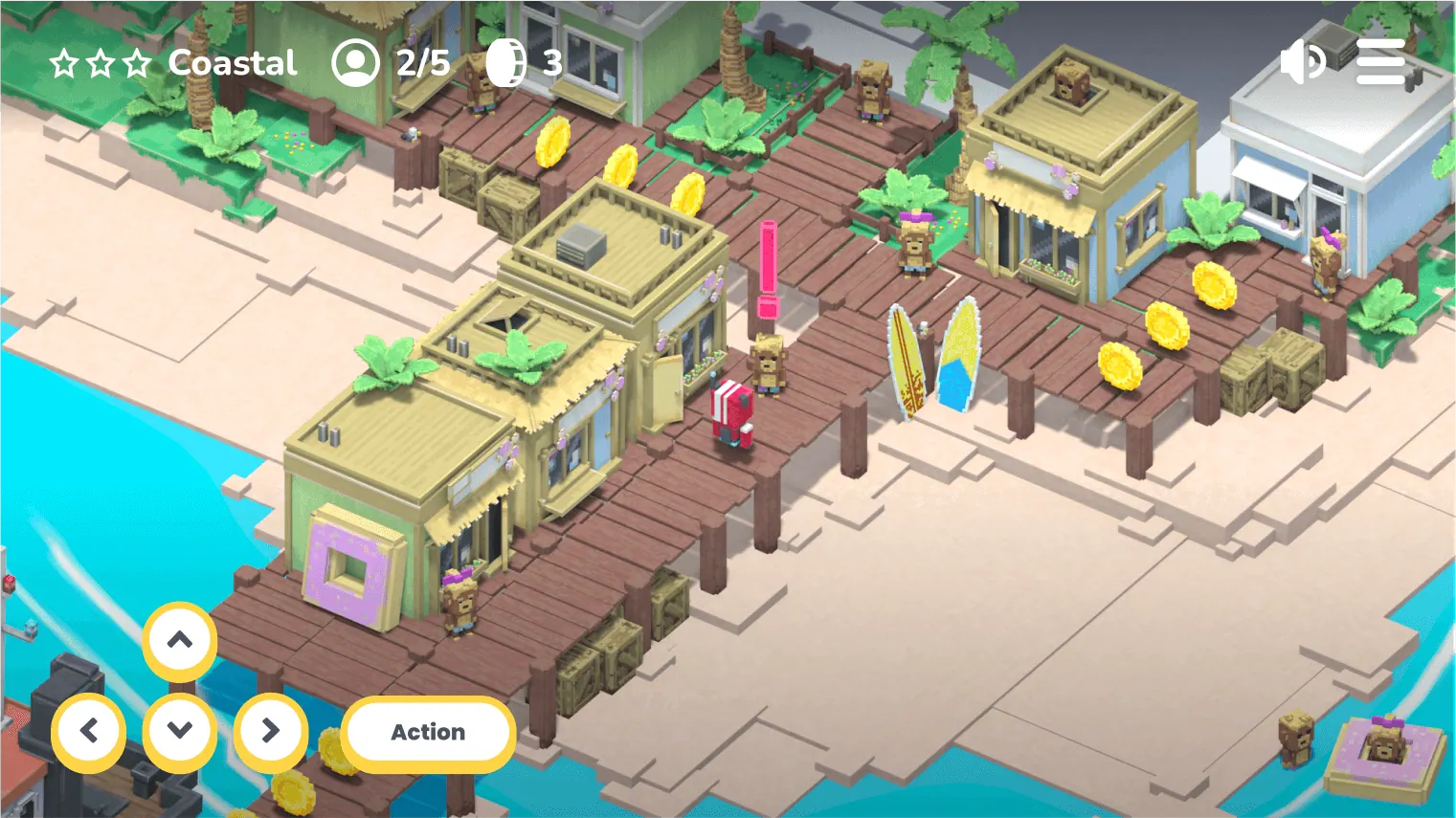
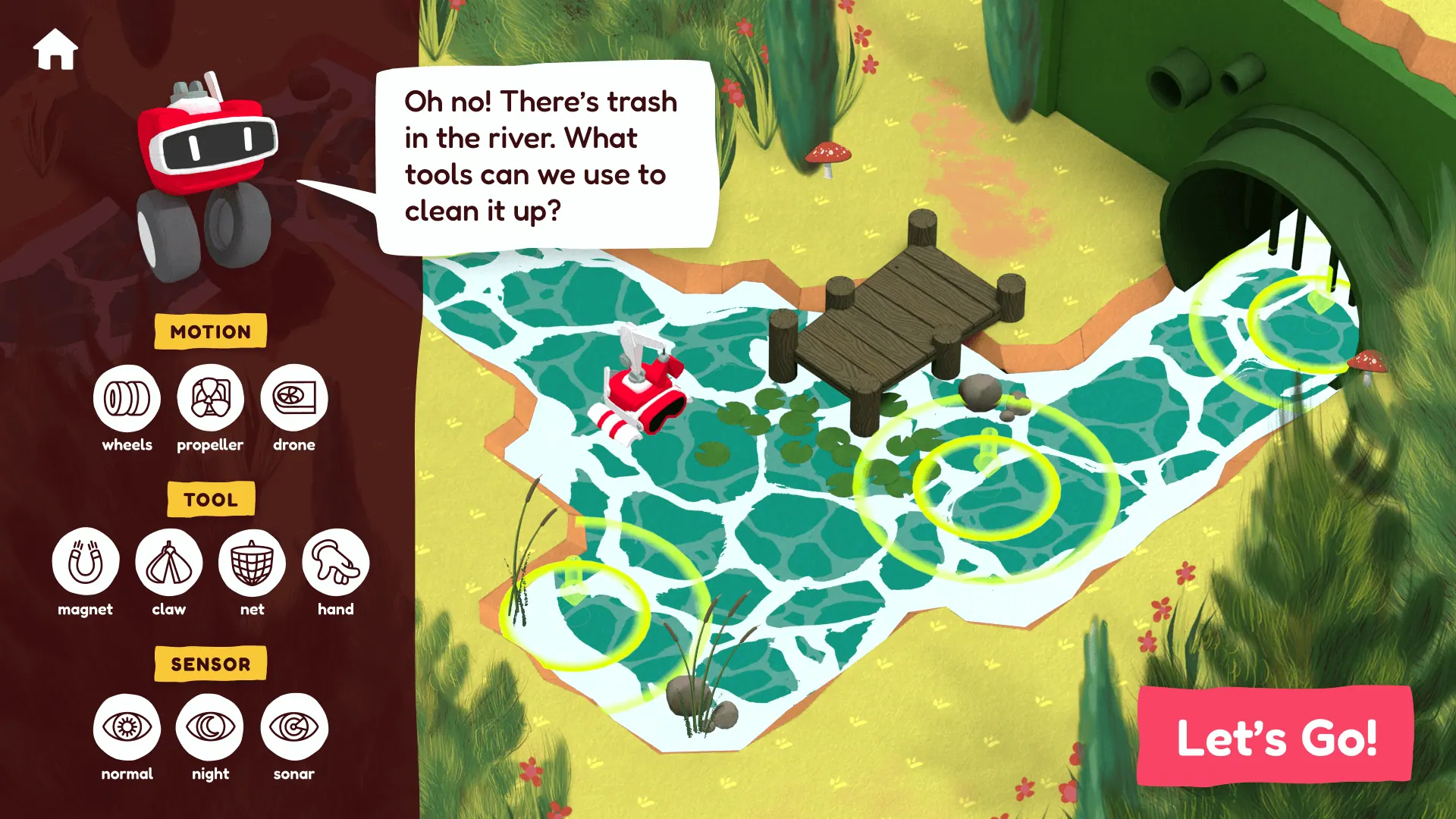
Full interactive games in the browser. We built the FBI's Safe Online Surfing game, and classrooms across the country still play it every school day.
Gaussian Splatting scenes
Photoreal capture of real places and objects, rendered fast enough for the web. We capture with Luma AI and blend splats with traditional 3D where each is strongest.
Embeddable 3D
A single interactive moment dropped into the site you already have: one section of one page, and the rest of the site stays as it is. More on this below.
The proof
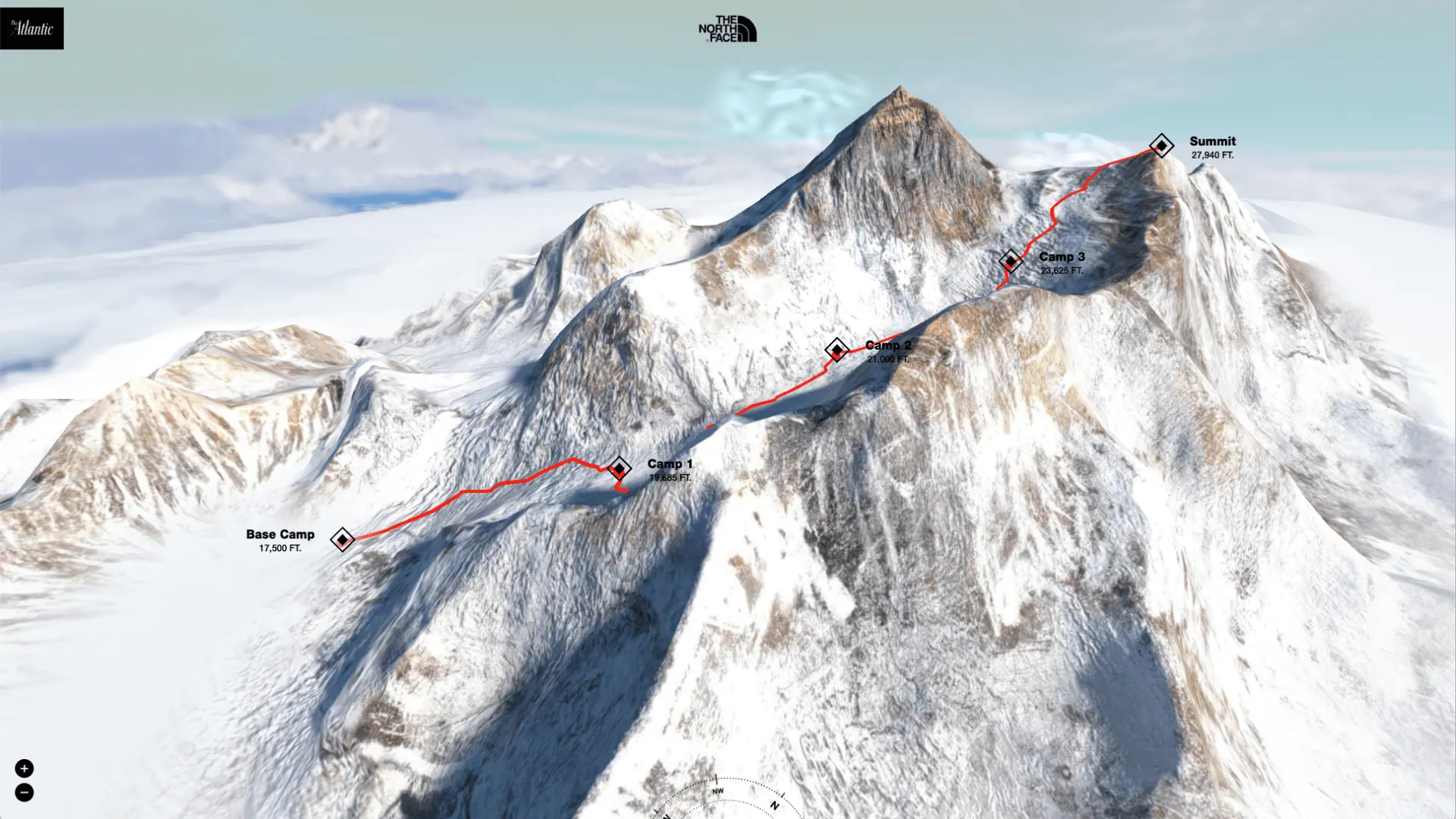
Immersive work we've done






Embedding
Adding 3D to the site you already have
The most common way into this work is one interactive moment dropped into the site you run today: a product configurator on a product page, a spinnable model in a hero, a captured space a visitor can look around. The scene loads lazily inside its own frame, so the rest of the page keeps its speed. WordPress, Webflow, Craft, and custom builds all take an embed the same way.
It is the gentlest entry on budget too. In our pricing calculator, custom 3D carries a 35 percent modifier on the build it joins, and a focused 3D microsite lands near $5,000, well under the cost of a site overhaul.
Scale
Making interactive 3D hold up
The way to scale interactive 3D is to treat performance as part of the design brief rather than a cleanup phase. We budget draw calls and texture memory the way we budget copy length, cap device pixel ratio on phones, ship level-of-detail versions of heavy assets, and use Gaussian Splatting where photorealism would otherwise cost millions of polygons.
Every scene ships with a reduced-motion path and a fallback, because immersion that excludes people is bad craft. The same discipline keeps 3D on good terms with search: the words stay in HTML, the scene stays an enhancement, and this page carries five live scenes while loading like any other.
The stack
Tools we reach for, and when
Three.js and React Three Fiber carry most custom work, and we drop to raw WebGL when a scene needs exactly one thing done fast, like the hero above. Babylon.js earns its place when VR or AR is on the roadmap. Spline covers lightweight moments a design team can own. Gaussian Splatting, captured with Luma AI, handles photoreal places and objects.
The honest comparison of all five lives in our splatting field notes and the 2026 guide linked above. We pick the tool after the experience is designed.
Questions people ask about 3D on the web
- How much does a 3D web experience cost?
- In our published pricing, custom 3D adds 35 percent to a build and a full web game adds 60. A focused 3D microsite lands near $5,000, larger brand experiences run with the site tiers, and immersive platform work scopes from $35,000. The website cost calculator prices all of it.
- Will 3D hurt my site's performance or SEO?
- Not when it is budgeted like any other asset. We lazy-load scenes, cap device pixel ratio, ship reduced-motion fallbacks, and keep the page's content in HTML that crawlers read. The scene at the top of this page is WebGL and this page still loads fast.
- Can you add 3D to our existing website?
- Yes. An embeddable scene drops into one section of one page on whatever platform you run: WordPress, Webflow, Craft, or custom. The embedding section above covers how that works.
- Do we need WebGL, or would video do?
- If nobody will ever steer it, video is cheaper and looks identical. The moment you want the visitor's hands on it, a configurator, a tour, anything that answers to input, you need real-time 3D.
- What 3D assets can you work with?
- GLB, GLTF, FBX, and CAD exports all import. Existing assets usually need optimization rather than rebuilding, which is the difference between starting at zero and starting at sixty percent done.
- How long does a 3D experience take?
- An embeddable scene ships in weeks. A full immersive experience usually runs six to twelve weeks alongside the site it lives in. Games and platforms are scoped individually.
Have a story that belongs in three dimensions?
Keep exploring